Understanding luxury home remodel cost in Salt Lake City helps you plan your estate renovation with confidence, clarity, and control.
If you own a significant property along the Wasatch Front, you already know luxury renovation is a different discipline. At Renovation Brothers, we oversee large-scale estate renovations across Salt Lake City and Park City, and the first question nearly every client asks is the same: what will my home remodel cost? The honest answer depends on scope, structure, and standards. This home remodel cost guide gives you realistic 2026 numbers, explains exactly what drives them, and shows how we protect your investment through every phase of the renovation process.
In Salt Lake City, the cost of luxury home remodeling typically falls between $150 and $300+ per square foot, depending on the project scope and level of finish. A full whole home remodel on a 4,000 square foot residence generally lands between $600,000 and $1.2 million or more. Park City and ski-in/ski-out properties command a premium above those figures.
These are not mid-range remodels with laminate countertops and stock fixtures. At this level, you are investing in structural changes, custom cabinetry, stone countertops, and architectural detail executed to exacting standards.
Mountain contemporary homes and estate renovations in Park City generally run $300 to $500+ per square foot. Snow load engineering, alpine logistics, and elevated local labor rates all contribute to that difference.
If you are comparing home remodel cost Utah benchmarks from national websites, treat them carefully. Most blend average cost data from standard tract housing with estate-level work, which skews expectations downward. This high-end remodeling cost guide draws on completed Wasatch Front projects, not blended national figures.
Several factors influence your total renovation cost, and understanding them gives you control before design work even begins. Renovation costs at the luxury tier are driven less by square footage alone and more by complexity, coordination, and specification.
The variables we manage most closely for our clients include:
So how much of your budget should go to contingency? We advise our clients to reserve 10 to 15 percent of the total renovation budget for unexpected costs, particularly in older Salt Lake City estates where hidden costs can surface once walls open.
Your whole house remodel cost is best understood as a sum of its parts. The table below reflects the 2026 ranges we typically see across our whole house remodel projects in Salt Lake City and Park City. Every figure depends on the project and final specification.
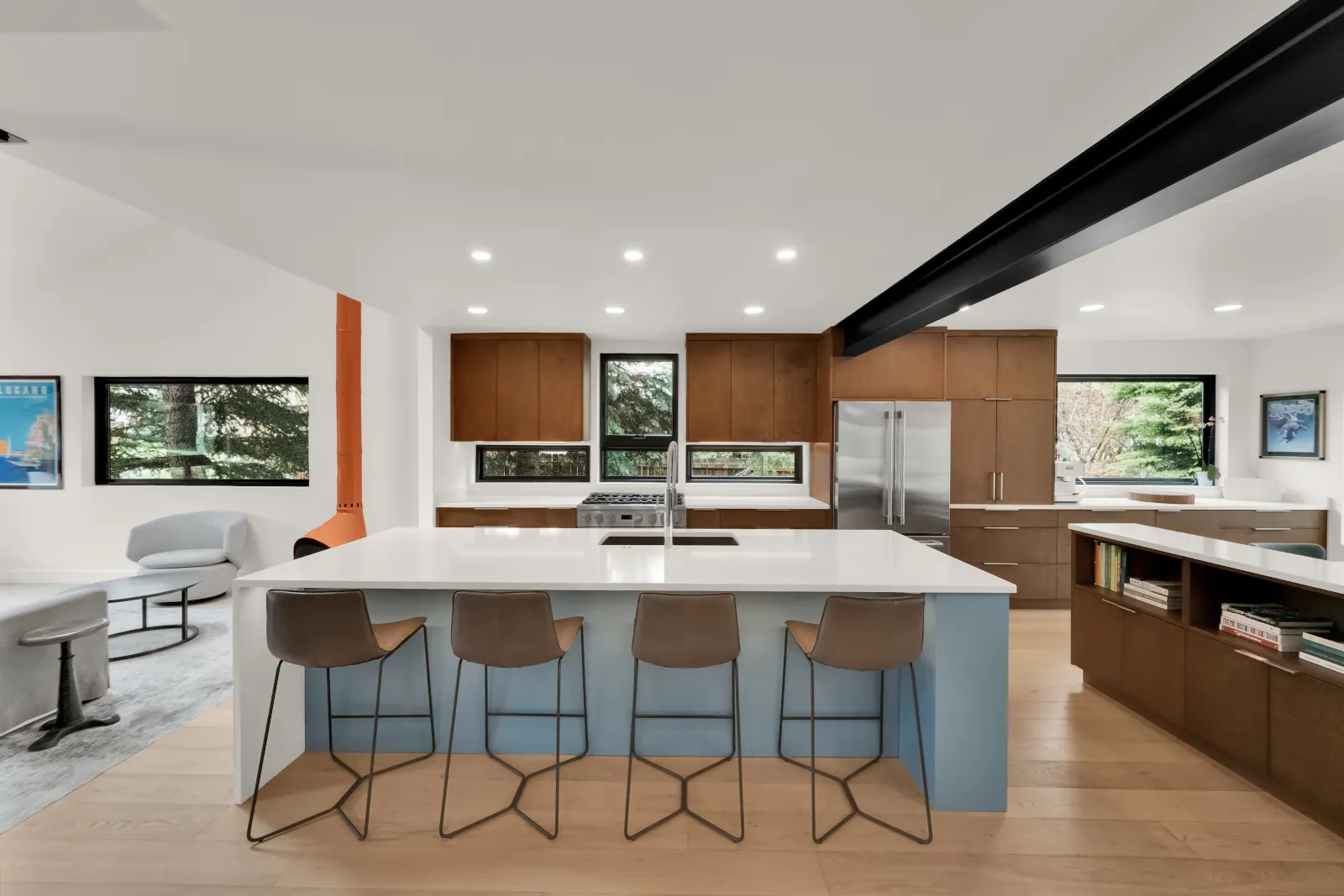
A luxury kitchen remodel at this tier includes custom cabinets, integrated energy efficient appliances, and stone surfaces. Spa bathroom renovations typically feature a curbless walk in shower, radiant heat, and book-matched slabs.
Minor kitchen remodels and single-fixture updates fall below this scope and rarely suit estate properties. Add up the rooms you intend to touch and you will have a realistic picture of whole house renovation cost before design begins.
💡 Pro Tip: Sequence your whole house remodel as one comprehensive plan rather than phased one-off remodeling projects. Mobilizing trades once protects both your schedule and your final cost.

For estate properties, a gut renovation almost always protects asset value better than a cosmetic remodel. A cosmetic remodel refreshes surfaces. A gut renovation addresses structure, systems, and layout, which is where long-term value and resale value actually live.
Here is how the two approaches compare:
Gut renovation
Cosmetic remodel
What about average remodeling cost comparisons you see online? National averages describe average home renovation costs for standard properties. They are not built for architecturally significant homes, so treat them as background data, not a remodeling budget.
Luxury construction succeeds through disciplined process, not improvisation. Our proven renovation process is built around white-glove coordination between you, your architect, and our field team.
This is how major renovations stay on schedule and on budget. Why do some renovation projects spiral while others finish cleanly? Almost always, the difference is preconstruction rigor.
High-altitude construction is its own discipline, and it directly shapes the home remodel cost Utah mountain properties carry. Snow loads, freeze-thaw cycles, steep access, and resort design review all demand specialized planning that valley contractors rarely encounter.
Our team builds for these conditions as a matter of routine:
You can see this expertise in our Park City whole home transformation, a complete structural and architectural remodel of a mountain contemporary residence. Projects at this elevation reward experience and punish shortcuts.
💡 Pro Tip: If your property sits above the valley floor, confirm your builder has completed comparable mountain projects. High-end remodeling cost guide figures mean little without a team that can execute at altitude.
Most of our clients fund a whole house renovation through a deliberate capital strategy rather than a single source. Whole house renovation cost at the estate level is a significant investment, and structuring it well preserves liquidity and protects the asset.
Common approaches include:
We also help clients save money without sacrificing quality. Smart specification, early procurement of high end materials, and value engineering during pre-construction reduce whole house renovation cost far more effectively than cutting finishes mid-project. Plan your total renovation budget around total ownership as well. Energy efficient upgrades and durable systems lower operating expenses across years of stewardship. Your total renovation cost should be engineered, not discovered.
After decades of overseeing whole house remodels across Salt Lake City and Park City, we see the same costly mistakes derail projects that lacked experienced oversight. Each one is avoidable.
How do you know a builder can actually operate at this scale? Ask to see completed multi-million dollar scope coordination, speak with past clients, and review the team's process documentation before signing anything.
Luxury home remodel cost in Salt Lake City comes down to scope, structure, and the standard of execution you demand. With clear pricing benchmarks, a disciplined process, and a builder experienced in complex mountain and estate work, your renovation becomes a controlled investment instead of an open question.
We built Renovation Brothers to deliver exactly that level of certainty. When you are ready to discuss your property, schedule a private consultation with our team. We would be glad to walk your home and talk through what is possible.
A thorough home remodel cost guide covers pricing per square foot, room-by-room ranges, and the factors that influence the final cost. It should also address permits, contingency planning, and timelines. Ours reflects real Salt Lake City and Park City project data.
A full whole house remodel generally takes 10 to 18 months from design through completion. Structural reconfiguration, permitting, and custom material lead times influence the schedule. Preconstruction planning is the best protection against delays.
Yes, Park City projects typically cost more than comparable Salt Lake City work. Stricter building codes, mountain logistics, and elevated local labor rates drive the difference. Ski-in/ski-out access can add further complexity.
The same principles apply, but historic estates carry added variables. Structural unknowns, preservation requirements, and city permits can affect both budget and timeline. A detailed feasibility review is essential before committing to scope.
Quality renovations generally strengthen resale value, especially kitchen remodel and primary suite projects. The greatest returns come from work that improves both function and architecture. Buyers in this market recognize and pay for proven craftsmanship.
A single comprehensive plan is usually more cost effective than phased work. Mobilizing trades once reduces overhead and keeps design intent unified. Phasing makes sense only when occupancy requirements demand it.

Begin your transformation with a free estimate from Renovation Brothers today!

Skilled home remodelers in Utah, creating personalized, high-quality renovations for every home.
License No.: 10884505-5501
Ready to start?
Request a quote


