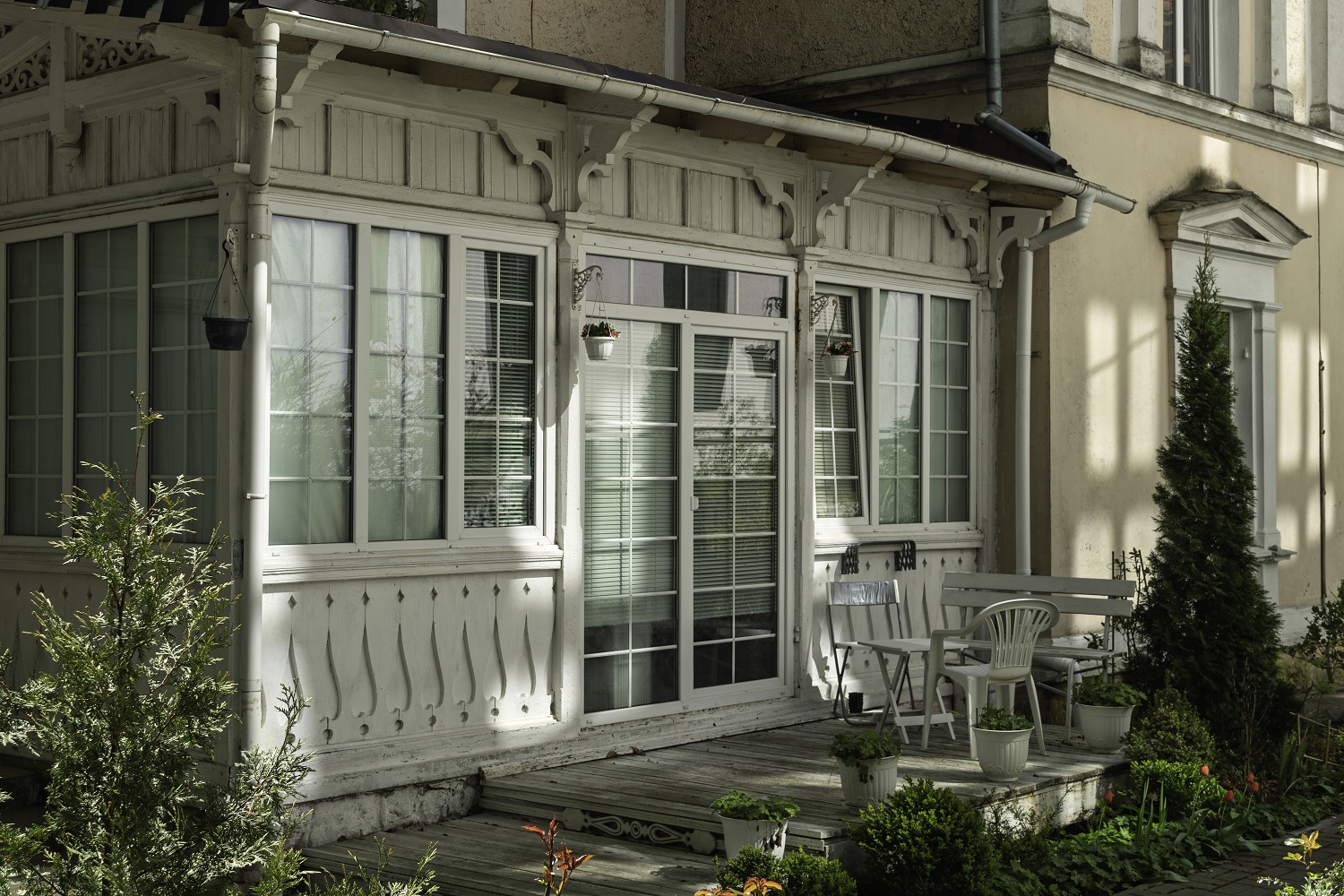
Designing a large open concept kitchen demands more than aesthetics. We help Park City clients engineer spatial flow, structural integrity, and layouts built for long-term performance.
An open kitchen layout plan succeeds when it balances visual openness with precise functional zoning. In large estate renovations, the kitchen must perform as both a culinary workspace and a design centerpiece visible from the living space and dining area simultaneously.
We approach every open floor plan at the planning stage with the structural realities first. Removing load-bearing walls, repositioning major appliances, and rerouting plumbing and ventilation are not cosmetic decisions. These are engineered ones. Every open concept kitchen we design in Park City goes through coordination with our architectural partners before a single cabinet is ordered.
The most effective open kitchen layout plan defines distinct zones: a cooking zone anchored by the range and ventilation, a food prep zone centered on counter space and sink placement, and a casual dining or counter seating zone that bridges the kitchen and living area. Without clear zoning, large kitchens feel disorganized regardless of their square footage.
💡 Pro Tip: In open living spaces exceeding 3,000 square feet, we recommend acoustic planning alongside layout planning. Open concept spaces amplify sound. Strategic ceiling treatments and material selections reduce echo without sacrificing visual openness.
The L-shaped kitchen layout and the U-shaped kitchen are the two configurations we most frequently specify in large estate open concept remodels. Each serves different traffic flow patterns and entertainment priorities.
The L-shaped kitchen layout positions cabinetry and appliances along two perpendicular walls, creating an open corner that integrates naturally with the living room or dining area. This layout excels in properties where the kitchen and living room share a single large open floor plan. It maximizes floor space while keeping the cooking zone contained and the living area accessible. The L-shaped kitchen works particularly well when paired with a large island that extends the counter space and adds bar stool seating for casual dining.
The U-shaped kitchen, or U-shaped design, wraps cabinetry along three walls. In large kitchens, this layout creates an efficient work triangle (the path between the sink, range, and refrigerator) and delivers ample storage through tall cabinets and upper cabinetry on all three sides. It is ideal for estates where serious culinary performance is the priority and the kitchen has enough space to avoid a cramped u-shaped corridor.
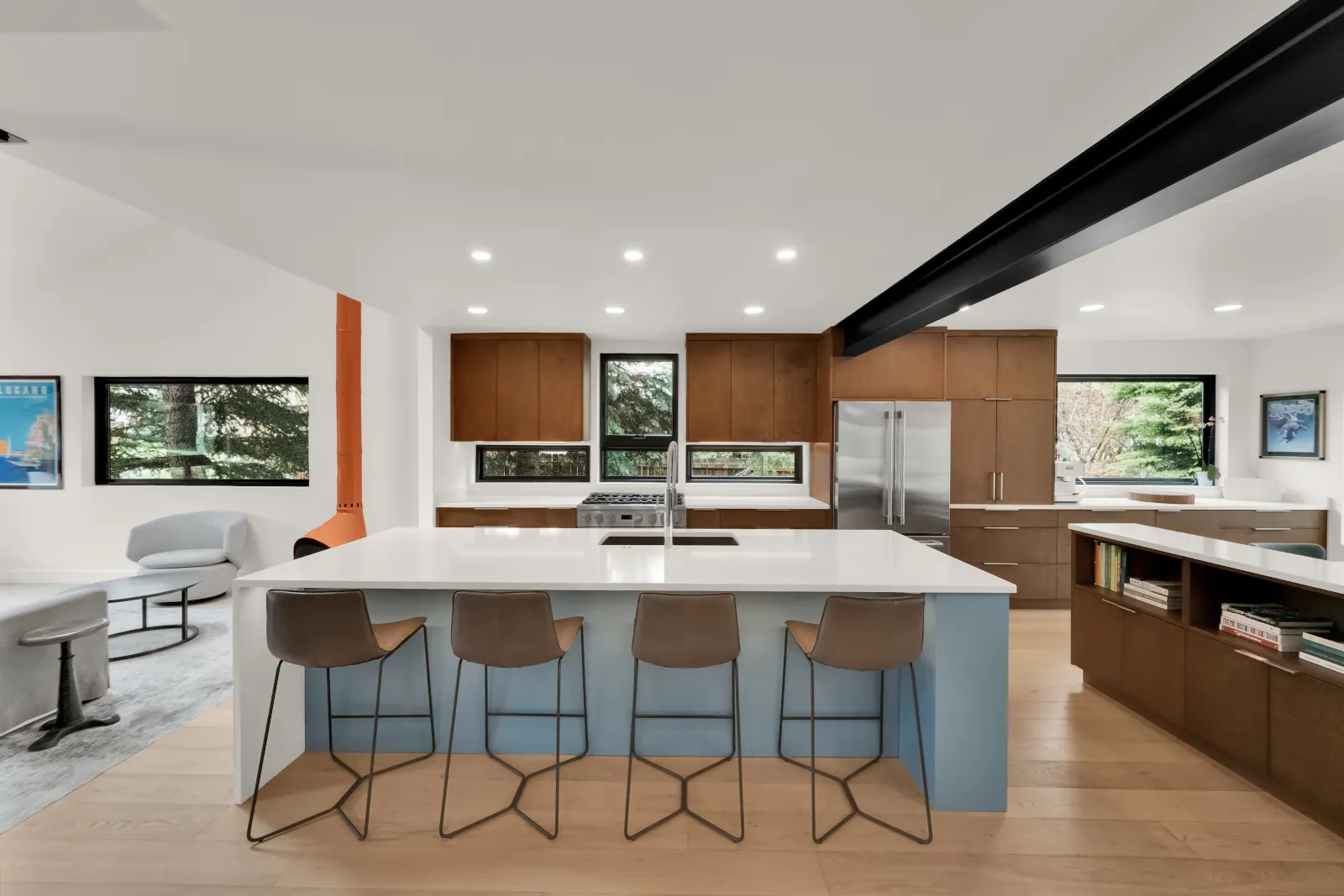
The kitchen work triangle refers to the spatial relationship between the three primary work stations: the sink, the range or cooktop, and the refrigerator. In a closed kitchen, this triangle is easy to control. In an open concept kitchen, where traffic moves freely from the living area and dining area through the cooking zone, the work triangle must be engineered around human movement, not just appliance placement.
We position the cooking zone so that it is accessible to the chef but not in the direct path between the living room and the dining area. This means the range typically faces away from the primary traffic corridor. A large island or peninsula kitchen layout can serve as a physical boundary that guides traffic around the work triangle without interrupting it.
💡 Pro Tip: When the cooking zone opens directly toward the living space, we specify a low-profile ventilation system recessed into the ceiling structure rather than a traditional range hood. This preserves sightlines across the open layout while maintaining code-compliant ventilation.
Step 1: Assess the structural conditions. Before any layout decision, we evaluate load-bearing walls, beam positions, mechanical systems, and floor plan constraints. In mountain contemporary homes built at high altitude, structural reconfigurations require engineering review specific to local code and seismic considerations.
Step 2: Define the functional zones. We map out the cooking zone, food prep zone, food storage zone, and casual seating or counter seating zone. Each zone is dimensioned based on the clients' cooking style, entertainment volume, and daily living patterns.
Step 3: Select the primary layout configuration. Based on structural constraints and lifestyle requirements, we specify the layout type: L-shaped kitchen layout, U-shaped kitchen, galley kitchen, single wall, or peninsula kitchen layout. This decision drives every downstream specification.
Step 4: Position the island or peninsula. In large open concept kitchens, the central island is both a functional and visual anchor. We size the island to allow a minimum of 42 inches of clearance on all working sides, scaling up to 48 inches in high-traffic entertaining kitchens.
Step 5: Plan the traffic flow. We map the movement paths from the living room to the dining area, from the dining table to the kitchen, and from entry points to seating areas. Consistent flooring throughout the open layout reinforces visual continuity and defines movement intuitively.
Step 6: Specify storage and vertical space. Tall pantry cabinets, tall cabinets with integrated organization systems, and upper cabinets with consistent cabinetry depth are specified to maximize storage without introducing visual clutter.
Step 7: Coordinate lighting and electrical. Pendant lights over the island, task lighting within the cooking zone, and ambient lighting across the open living space are coordinated with our electrical and design partners. Lighting zones allow clients to shift the atmosphere from culinary to entertaining without changing the layouts.
Step 8: Review with the architectural and design team. Every layout plan goes through a formal review with our architect partners before permitting. This is non-negotiable on estate-scale renovations.
💡 Pro Tip: We document each step of the layout planning process with scaled drawings and 3D renders before any structural work begins. Our clients review and approve every spatial decision in detail before a single wall is touched.
The best kitchen layouts for open-concept living spaces are those that reduce visual clutter while maximizing functional capacity. In kitchen renovations, this means making strategic decisions about what is visible and what is concealed.
Open shelving introduces texture and character but requires disciplined curation in a large open concept kitchen. When open shelving is used, we position it on the walls least visible from the living room to avoid visual noise across the open layout. Tall pantry cabinets and integrated appliance panels keep major appliances recessed and the kitchen's visual profile clean.
Consistent flooring across the kitchen and living room is one of the most effective tools for reducing visual clutter. Area rugs define seating areas and the dining area within the open floor plan without interrupting the spatial continuity underfoot. Wood tones in cabinetry and flooring connect the cooking and living areas visually and warm the open space against the hard surfaces common in mountain contemporary design.
Counter seating at a large island or peninsula blurs the boundary between the kitchen and living space intentionally. Bar stools at island height create a casual dining option that keeps entertaining guests within conversation range of the cooking zone. This is particularly effective in open concept spaces where formal dining and casual dining happen simultaneously during large gatherings.
💡 Pro Tip: We discourage oversized furniture in open concept kitchens that has not been scaled to the space. A dining table that is too large, a coffee table that crowds the living area, or bench seating that blocks a traffic corridor will undermine a well-planned layout. Every furniture specification goes through a spatial review before purchase.

Counter space is one of the most requested upgrades in the large kitchen renovations we oversee. In an open floor plan, counter space must serve food prep, casual seating, and display functions simultaneously.
The central island is the primary counter space solution in most open concept kitchens we design. A large island with an extended overhang on one side provides counter seating for guests while the opposite side serves as a dedicated food prep surface. Additional counter space along the perimeter is protected for cooking zone activities and kept clear of visual clutter.
Tall pantry cabinets with interior organization systems address food storage needs without consuming floor space. Upper cabinetry along non-window walls maximizes vertical storage without reducing natural light. In kitchens where natural light is a design priority, we concentrate upper cabinets on the walls flanking windows rather than across them, and supplement with tall cabinets at terminal wall positions.
Extra counter space can also be achieved through a peninsula kitchen layout, which adds a connected surface extending from the perimeter cabinetry into the open living space. This additional storage and counter surface defines the kitchen boundary organically within the open floor plan.
Distinct zones in an open concept kitchen are defined through spatial positioning, material differentiation, lighting design, and furniture placement rather than physical partitions. This is one of the most sophisticated challenges in large open floor plan design.
Consistent flooring throughout the open layout establishes visual continuity. Area rugs then define the living area and dining area as distinct zones within that continuous field. Pendant lights positioned over the island signal the kitchen boundary from across the room. An accent wall behind the dining area or cooking zone creates visual definition without physical separation.
The cooking zone is physically anchored by the range, ventilation, and surrounding cabinetry. Its position within the open floor plan naturally communicates its function. Seating areas defined by a sofa arrangement or a dining table and bench seating complete the zoning vocabulary without introducing walls.
In the most sophisticated open concept kitchens we have designed, the zones feel inevitable rather than designed. Traffic flows naturally from the living room through the casual dining area to the kitchen island without confusion. That seamlessness is the product of precise planning, not accident.
💡 Pro Tip: We use scaled furniture placement drawings at the layout planning stage to confirm that distinct zones read clearly at every major sightline in the open floor plan. If a zone is ambiguous from the living area perspective, we resolve it at the drawing stage before construction begins.
A well-executed open concept kitchen layout is one of the most complex and consequential decisions in a kitchen renovation. From selecting the right open concept kitchen layout ideas for your floor plan to engineering the kitchen work triangle and defining distinct zones without walls, every decision requires precise coordination between structural, architectural, and design disciplines.
Renovation Brothers bring that full coordination to every project we oversee in Park City and the surrounding mountain communities. Ready to begin planning your estate kitchen renovation? Contact our team for a project consultation and let us build the kitchen your property deserves.
The L-shaped kitchen layout paired with a large central island is the most versatile open concept kitchen layout for large estates because it defines the cooking zone clearly while keeping the open floor plan visually connected. For estates with serious culinary demands, a u-shaped kitchen delivers superior storage and an efficient work triangle.
Position the three primary work stations (sink, range, and refrigerator) so they form a triangle that sits away from the primary traffic corridor between the living room and dining area. A large island or peninsula can serve as a natural traffic buffer that protects the cooking zone without interrupting the open layout.
A galley kitchen runs along two parallel walls with a corridor between them and is most efficient in narrow spaces or secondary kitchens, while the L-shaped kitchen layout positions cabinetry along two perpendicular walls and opens naturally into a larger open living space. For primary estate kitchens, the L-shaped kitchen layout is almost always the superior open concept solution.
Specify integrated appliance panels, tall pantry cabinets with closed door fronts, and consistent cabinetry hardware to reduce visual clutter from across the open living space. Limiting open shelving to secondary walls and keeping major appliances recessed maintains a clean sightline from the living room to the cooking zone.
A large estate kitchen should provide a minimum of 15 to 20 linear feet of counter space across all surfaces, including the island, to support both food prep and casual seating functions. Additional counter space through a peninsula or extended island overhang ensures the kitchen performs at estate scale without congestion during entertaining.
Yes. A peninsula kitchen layout is particularly effective when a large island is not structurally feasible or when the open floor plan benefits from a connected surface that defines the kitchen boundary more deliberately. The peninsula provides additional storage, extra counter space, and counter seating while anchoring the transition between the cooking zone and the living area.

Begin your transformation with a free estimate from Renovation Brothers today!

Skilled home remodelers in Utah, creating personalized, high-quality renovations for every home.
License No.: 10884505-5501
Ready to start?
Request a quote